
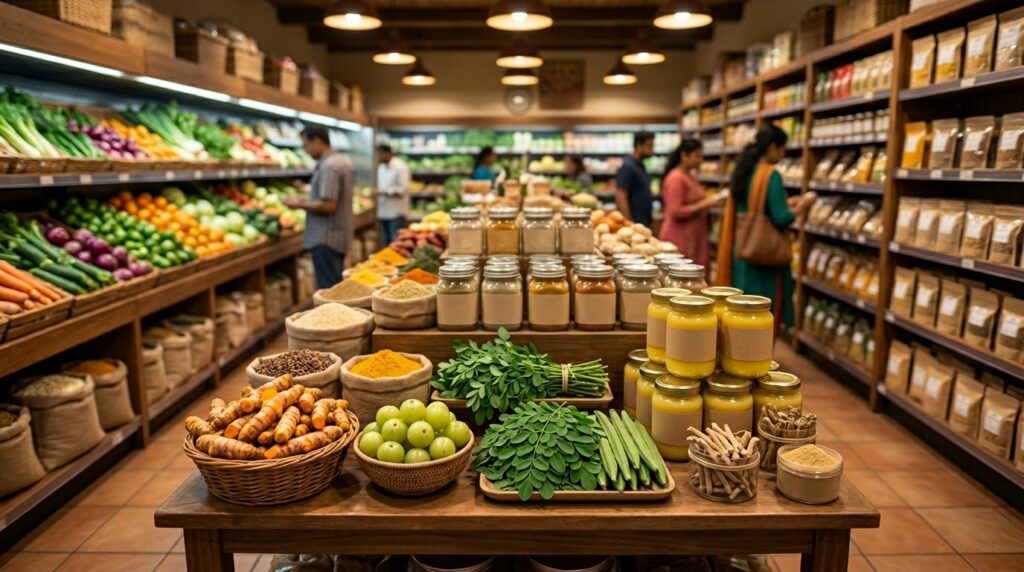
In recent years, the term “superfood” has become a buzzword in the health and wellness industry. From chia seeds and kale to blueberries and quinoa, consumers are constantly searching for nutrient-dense foods that support overall health. However, many of the world’s most powerful superfoods have been staples in Indian kitchens for centuries.
Traditional Indian diets are rich in natural ingredients known for their nutritional value, medicinal properties, and ability to promote long-term wellness. These foods have been used in Ayurveda and traditional cooking for generations, long before the term “superfood” became popular.
If you’re looking to improve your diet naturally, your local Indian grocery store is one of the best places to start. From antioxidant-rich fruits to nutrient-packed herbs and healthy fats, Indian grocery stores offer a variety of wholesome foods that can easily become part of your daily routine.
Here are five incredible Indian superfoods you should be adding to your shopping list.
What Makes a Food a Superfood?
A superfood is generally considered a food that offers exceptional nutritional benefits while being relatively low in calories. These foods are often rich in:
● Vitamins
● Minerals
● Antioxidants
● Fiber
● Healthy fats
● Plant compounds
Superfoods can help support immunity, digestion, heart health, brain function, and overall well-being when consumed as part of a balanced diet.
Many traditional Indian ingredients naturally fit this description and provide impressive health benefits backed by both historical use and modern research.
1. Amla (Indian Gooseberry)
Among the most celebrated Indian superfoods, amla has been used in Ayurveda for thousands of years. This small green fruit is packed with nutrients and is especially known for its high vitamin C content.
Amla Health Benefits
The numerous amla health benefits make it one of the most valuable additions to a healthy diet.
Some potential benefits include:
● Supports immune function
● Rich in antioxidants
● Promotes healthy skin
● Supports digestion
● May help maintain healthy cholesterol levels
● Supports hair health
Amla contains powerful plant compounds that help combat oxidative stress in the body. Because of its antioxidant properties, it is often included in wellness supplements, juices, powders, and traditional Ayurvedic formulations.
How to Use Amla
You can find amla in several forms at your local Indian grocery store:
● Fresh amla fruit
● Amla juice
● Dried amla
● Amla powder
● Pickled amla
Many people add amla powder to smoothies, while others enjoy fresh amla juice as part of their morning routine.
2. Turmeric
Turmeric is perhaps one of the most recognized Indian ingredients worldwide. This bright yellow spice has been a cornerstone of Indian cooking and traditional wellness practices for centuries.
Its active compound, curcumin, is responsible for many of its potential health-supporting properties.
Turmeric Benefits
The growing interest in turmeric benefits has made it one of the most researched spices globally.
Potential benefits include:
● Supports healthy inflammation response
● Rich in antioxidants
● May support joint health
● Supports immune function
● Promotes overall wellness
Turmeric is commonly used in curries, soups, rice dishes, teas, and wellness beverages.
How to Use Turmeric
Indian grocery stores typically offer:
● Whole turmeric root
● Turmeric powder
● Organic turmeric products
● Turmeric tea blends
For better absorption, turmeric is often paired with black pepper, which contains piperine—a compound that can enhance curcumin absorption.
A simple turmeric latte, often called “golden milk,” is an easy and delicious way to enjoy this superfood.
3. Moringa Leaves
Moringa has gained global recognition as a nutritional powerhouse, but it has long been used throughout India for both culinary and traditional wellness purposes.
Known as the “drumstick tree,” nearly every part of the moringa plant can be utilized, but the leaves are especially nutrient-dense.
Why Moringa Leaves Are Considered a Superfood
Moringa leaves contain a wide range of nutrients, including:
● Vitamin A
● Vitamin C
● Calcium
● Iron
● Potassium
● Plant protein
Their impressive nutrient profile has contributed to moringa’s growing popularity among health-conscious consumers.
Potential Benefits of Moringa Leaves
Moringa may help support:
● Overall nutrition
● Energy levels
● Healthy immune function
● Balanced diet goals
● Antioxidant intake
How to Use Moringa
You can find moringa at many Indian grocery stores in forms such as:
● Fresh leaves
● Dried leaves
● Moringa powder
● Herbal supplements
Moringa powder can be added to:
● Smoothies
● Soups
● Tea
● Yogurt
● Protein shakes
Its mild earthy flavor makes it easy to incorporate into daily meals.
4. Ghee
Ghee has been a staple ingredient in Indian households for centuries. While some people mistakenly avoid it due to its fat content, quality ghee can be a nutritious addition to a balanced diet when consumed in moderation.
Understanding Ghee Nutrition
The growing interest in ghee nutrition stems from its unique composition and traditional use.
Ghee contains:
● Healthy fats
● Fat-soluble vitamins
● Vitamin A
● Vitamin E
● Vitamin K
Because ghee is clarified butter, most milk solids are removed during preparation, making it easier for some individuals to digest compared to regular butter.
Potential Benefits of Ghee
Ghee may support:
● Cooking at high temperatures
● Absorption of fat-soluble nutrients
● Flavor enhancement in meals
● Traditional dietary practices
How to Use Ghee
Ghee is extremely versatile and can be used for:
● Sautéing vegetables
● Roasting
● Making curries
● Spreading on bread
● Drizzling over rice and lentils
Its rich flavor and high smoke point make it a favorite ingredient among both home cooks and professional chefs.
5. Flax Seeds (Alsi)
Flax seeds, known as alsi in India, have become increasingly popular due to their impressive nutritional profile.
Though small in size, flax seeds deliver a powerful combination of nutrients that support overall health.
Nutritional Benefits of Flax Seeds
Flax seeds are rich in:
● Fiber
● Plant-based omega-3 fatty acids
● Protein
● Antioxidants
Potential benefits may include support for:
● Digestive health
● Heart health
● Balanced nutrition
● Healthy eating goals
How to Use Flax Seeds
You can purchase flax seeds at most Indian grocery stores as:
● Whole seeds
● Ground flax meal
● Flax seed powder
Common ways to use them include:
● Adding to smoothies
● Mixing into oatmeal
● Sprinkling over yogurt
● Incorporating into baked goods
Ground flax seeds are often preferred because they are easier for the body to digest and absorb.
Why Buy Superfoods from Your Local Indian Grocery Store?
Indian grocery stores offer several advantages when shopping for nutritious foods.
Authentic Selection
You’ll often find a wider variety of traditional Indian ingredients compared to mainstream supermarkets.
Freshness
Many Indian grocery stores stock fresh herbs, produce, and specialty items regularly used in traditional cooking.
Better Value
Indian grocery stores frequently offer competitive pricing on spices, grains, legumes, and wellness ingredients.
Cultural Expertise
Store staff can often provide helpful recommendations on preparation methods and traditional uses.
Access to Traditional Wellness Foods
Ingredients like amla, moringa, turmeric, and ghee are often easier to find in Indian grocery stores than in conventional supermarkets.
Tips for Incorporating Indian Superfoods into Your Diet
Adding these superfoods to your routine doesn’t require a complete dietary overhaul.
Start with simple changes:
● Add turmeric to soups and curries
● Drink amla juice in the morning
● Blend moringa powder into smoothies
● Cook with ghee instead of certain processed fats
● Sprinkle flax seeds on breakfast foods
Small daily habits can help you enjoy the nutritional benefits of these traditional ingredients over time.
Final Thoughts
Many of the most powerful Indian superfoods have been part of traditional Indian diets for generations. Ingredients such as amla, turmeric, moringa leaves, ghee, and flax seeds provide a wide range of nutrients that can support a healthy lifestyle.
Whether you’re interested in the proven amla health benefits, exploring the wellness potential of turmeric benefits, adding nutrient-rich moringa leaves to your meals, or learning more about ghee nutrition, your local Indian grocery store is an excellent place to begin.
The next time you visit Subzi Mandi, consider adding these traditional superfoods to your shopping cart. They offer a delicious and natural way to support your health while connecting with centuries of culinary and wellness traditions.
FAQ’S
Q: Why are Indian grocery stores considered one of the best places to buy superfoods?
A: Indian grocery stores often carry a wider selection of traditional wellness ingredients such as amla, turmeric, moringa, ghee, and flax seeds that may be difficult to find in conventional supermarkets. At Subzi Mandi, customers can access authentic products, fresh ingredients, and culturally rooted foods that have been valued in Indian diets for generations.
Q: What is the easiest way to start adding Indian superfoods to a daily diet?
A: The best approach is to make small, consistent changes. You can drink amla juice in the morning, add turmeric to soups and curries, blend moringa powder into smoothies, cook with ghee, or sprinkle ground flax seeds on breakfast foods. Subzi Mandi offers a variety of these ingredients, making it easy to incorporate them into everyday meals.
Q: Which Indian superfood provides the most versatile health-supporting benefits?
A: Amla is often considered one of the most versatile Indian superfoods because it is naturally rich in vitamin C and antioxidants. It may support immunity, digestion, skin health, hair health, and overall wellness. At Subzi Mandi, shoppers can find amla in multiple forms, including fresh fruit, juice, powder, and pickled varieties.
Q: Why is turmeric commonly paired with black pepper in wellness recipes?
A: Turmeric contains curcumin, the compound responsible for many of its health-supporting properties. The blog explains that black pepper contains piperine, which can help enhance curcumin absorption. For this reason, many people combine the two ingredients in recipes such as golden milk, teas, and traditional Indian dishes available through ingredients found at Subzi Mandi.