
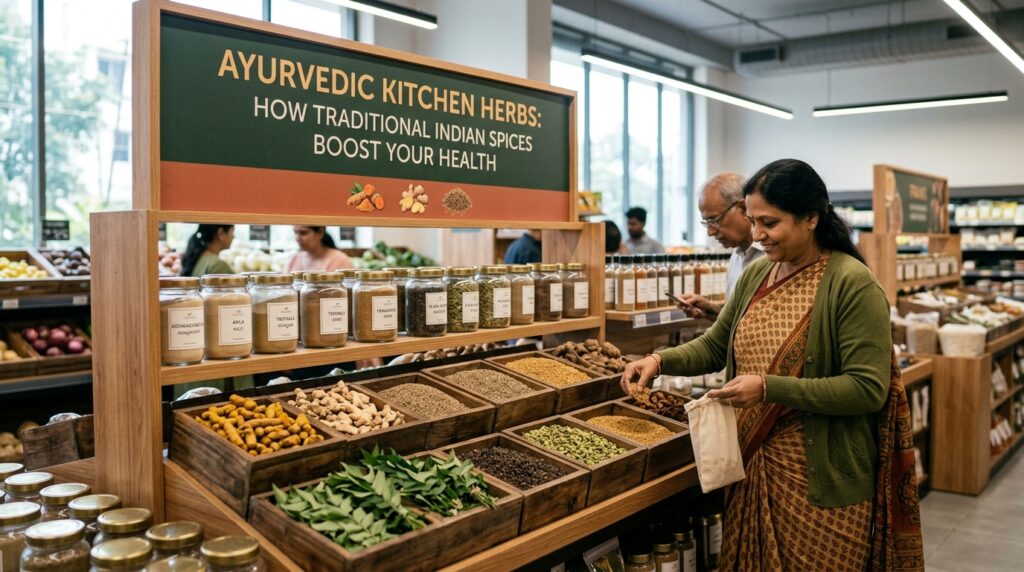
For thousands of years, Indian households have relied on more than just flavor when preparing meals. Many ingredients found in a traditional Indian kitchen serve a dual purpose: they enhance the taste of food while also supporting overall wellness. Long before modern nutrition science identified the benefits of herbs and spices, Ayurveda—the ancient Indian system of holistic health—recognized the powerful role these ingredients play in maintaining balance and vitality.
Today, many people are rediscovering the value of traditional herbs and spices as part of a healthy lifestyle. From turmeric and ginger to holy basil and cumin, the ingredients commonly found in an Ayurvedic herbs kitchen continue to be celebrated for their nutritional and wellness-supporting properties.
In this guide, we’ll explore some of the most popular Ayurvedic herbs and spices, their traditional uses, and how you can incorporate them into your daily routine.
What Is Ayurveda?
Ayurveda is a traditional system of wellness that originated in India more than 5,000 years ago. The word “Ayurveda” combines two Sanskrit words:
● Ayur meaning life
● Veda meaning knowledge or science
Ayurveda focuses on achieving balance through diet, lifestyle, herbal remedies, and mindful living. Food is considered one of the most important tools for maintaining health, and many herbs and spices play a central role in Ayurvedic practices.
An Ayurvedic approach views spices not merely as seasonings but as ingredients that may support digestion, immunity, energy, and overall well-being.
Why Herbs and Spices Matter in Ayurveda
Traditional Indian cooking uses a wide variety of herbs and spices, many of which contain beneficial plant compounds, antioxidants, vitamins, and minerals.
The ayurvedic benefits spices are often associated with include:
● Supporting healthy digestion
● Promoting immune function
● Enhancing flavor naturally
● Supporting overall wellness
● Providing antioxidant compounds
Many of these ingredients are already sitting in your pantry, making it easy to enjoy their benefits as part of everyday meals.
1. Turmeric: The Golden Spice
Few ingredients are as closely associated with Ayurveda as turmeric.
Known for its vibrant yellow color, turmeric has been used for centuries in both cooking and traditional wellness practices.
Potential Benefits of Turmeric
Turmeric contains curcumin, a natural compound that has been widely studied for its antioxidant properties.
Turmeric may help support:
● Healthy inflammation response
● Immune function
● Overall wellness
● Balanced nutrition
How to Use Turmeric
Turmeric is one of the most versatile Indian kitchen spices and can be added to:
● Curries
● Lentil dishes
● Soups
● Rice recipes
● Smoothies
● Golden milk
A small amount of black pepper is often paired with turmeric to help improve curcumin absorption.
2. Holy Basil (Tulsi): The Queen of Herbs
Among the most respected herbs in Ayurveda is holy basil (tulsi).
Often referred to as the “Queen of Herbs,” tulsi has been valued in Indian households for generations and is frequently grown in home gardens.
Benefits of Holy Basil (Tulsi)
Traditionally, holy basil (tulsi) has been used to support:
● Immune health
● Stress management
● Respiratory wellness
● Daily vitality
Tulsi is rich in antioxidants and plant compounds that contribute to its popularity in both traditional and modern wellness routines.
How to Use Tulsi
Tulsi is commonly consumed as:
● Herbal tea
● Fresh leaves
● Dried leaves
● Wellness blends
Many people enjoy tulsi tea in the morning or evening as part of a balanced lifestyle.
3. Ginger: A Time-Tested Wellness Ingredient
Ginger has long been one of the most important ingredients in Ayurvedic cooking and natural wellness traditions.
Its warming properties and distinctive flavor make it a staple in countless Indian recipes.
Ginger Health Benefits
The well-known ginger health benefits have contributed to its widespread use around the world.
Potential benefits may include support for:
● Digestive comfort
● Immune function
● Overall wellness
● Healthy dietary habits
Because of its versatility, ginger remains one of the most commonly used herbs in traditional Indian households.
How to Use Ginger
Fresh or dried ginger can be added to:
● Tea
● Soups
● Stir-fries
● Curries
● Smoothies
Fresh ginger tea is particularly popular during colder months.
4. Cumin: A Digestive Powerhouse
Cumin seeds are among the most frequently used spices in Indian cuisine.
Their earthy flavor enhances countless dishes while also playing an important role in traditional Ayurvedic cooking.
Traditional Uses of Cumin
In Ayurveda, cumin is often associated with:
● Digestive support
● Flavor enhancement
● Balanced meal preparation
Ways to Use Cumin
Cumin can be used in:
● Lentils
● Vegetable dishes
● Rice recipes
● Spice blends
● Herbal drinks
Many Indian recipes begin by tempering cumin seeds in oil or ghee to release their aroma and flavor.
5. Coriander: A Cooling Herb
Coriander, both the seeds and fresh leaves, holds an important place in Ayurvedic cooking.
Known for its refreshing flavor, coriander is widely used across Indian cuisine.
Potential Benefits of Coriander
Traditionally, coriander has been used to support:
● Digestive wellness
● Balanced nutrition
● Flavorful meal preparation
How to Use Coriander
Coriander can be enjoyed as:
● Fresh cilantro garnish
● Ground coriander spice
● Whole coriander seeds
● Herbal infusions
Its versatility makes it a staple ingredient in many Indian kitchens.
6. Cinnamon: Sweet and Aromatic
Cinnamon is another valuable herb in the Ayurvedic tradition.
Its naturally sweet flavor makes it popular in both sweet and savory recipes.
Traditional Uses
Cinnamon has traditionally been incorporated into wellness routines that focus on:
● Balanced nutrition
● Digestive support
● Overall vitality
Ways to Use Cinnamon
Add cinnamon to:
● Tea
● Oatmeal
● Smoothies
● Rice dishes
● Baked goods
Its warm flavor pairs well with many other Ayurvedic spices.
7. Cardamom: The Fragrant Spice
Cardamom is often called the “Queen of Spices” because of its unique aroma and versatility.
It is frequently used in:
● Chai tea
● Desserts
● Rice dishes
● Traditional Indian sweets
Ayurvedic Importance
Cardamom has traditionally been appreciated for:
● Digestive support
● Fresh flavor
● Aromatic qualities
Its distinctive taste makes it one of the most beloved spices in Indian cuisine.
Creating an Ayurvedic Herbs Kitchen at Home
Building an Ayurvedic herbs kitchen doesn’t require expensive supplements or specialty products.
Many essential ingredients are readily available at your local Indian grocery store.
Consider stocking:
● Turmeric
● Holy basil (tulsi)
● Ginger
● Cumin
● Coriander
● Cinnamon
● Cardamom
● Black pepper
● Fennel seeds
Having these ingredients on hand allows you to prepare flavorful meals while incorporating traditional wellness practices into everyday cooking.
Why Indian Grocery Stores Are the Best Source for Ayurvedic Ingredients
Indian grocery stores offer several advantages when shopping for Ayurvedic herbs and spices.
Freshness and Variety
You’ll often find a wider selection of authentic herbs and spices compared to conventional supermarkets.
Traditional Products
Many Ayurvedic ingredients are available in multiple forms, including:
● Whole spices
● Ground powders
● Herbal teas
● Dried herbs
Better Value
Buying spices from Indian grocery stores is often more economical, especially for frequently used ingredients.
Cultural Knowledge
Store staff may provide valuable guidance on traditional uses and preparation methods.
Tips for Incorporating Ayurvedic Spices Into Daily Meals
You don’t need to completely change your diet to enjoy the benefits of Ayurvedic ingredients.
Start with simple habits:
● Add turmeric to soups and curries
● Drink tulsi tea regularly
● Use fresh ginger in tea and cooking
● Season vegetables with cumin and coriander
● Sprinkle cinnamon into breakfast dishes
Small daily changes can help you gradually build a more flavorful and nutrient-rich diet.
Modern Interest in Ayurvedic Herbs
As consumers become increasingly interested in natural wellness approaches, traditional Ayurvedic ingredients continue to gain popularity worldwide.
Many people are drawn to these herbs because they:
● Have centuries of traditional use
● Support a balanced lifestyle
● Add flavor naturally
● Complement healthy eating habits
While herbs and spices should not replace professional medical care, they can be valuable additions to a nutritious diet and wellness-focused lifestyle.
Final Thoughts
The ingredients found in a traditional Ayurvedic herbs kitchen offer much more than flavor. From turmeric and cumin to holy basil (tulsi) and ginger, these time-honored ingredients have supported Indian culinary and wellness traditions for generations.
Whether you’re interested in exploring Indian kitchen spices, learning about the ayurvedic benefits spices provide, discovering the value of holy basil (tulsi), or incorporating more foods associated with ginger health benefits, your local Indian grocery store is the perfect place to begin.
At Subzi Mandi, you’ll find a wide selection of authentic herbs and spices that can help you bring the wisdom of traditional Indian cooking into your modern kitchen—one flavorful meal at a time.
FAQ’S
Q: How can I start building an Ayurvedic herbs kitchen with everyday ingredients?
A: Creating an Ayurvedic herbs kitchen is simple because many essential ingredients are already used in traditional Indian cooking. Start by stocking staples like turmeric, ginger, cumin, coriander, cinnamon, cardamom, and tulsi. At Subzi Mandi, you can find these authentic herbs and spices in various forms, making it easy to incorporate Ayurvedic wellness traditions into your daily meals.
Q: Why are turmeric and black pepper often used together in Ayurvedic cooking?
A: Turmeric is valued in Ayurveda for its curcumin content and wellness-supporting properties. The blog notes that black pepper is commonly paired with turmeric because it may help improve curcumin absorption. Subzi Mandi offers both ingredients, allowing you to prepare traditional recipes such as curries, soups, and golden milk with authentic Ayurvedic kitchen spices.
Q: What makes tulsi tea a popular choice in Ayurvedic wellness routines?
A: Tulsi, also known as holy basil, is traditionally associated with immune support, stress management, respiratory wellness, and daily vitality. Many people enjoy tulsi tea in the morning or evening as part of a balanced lifestyle. Subzi Mandi provides access to authentic Ayurvedic ingredients that can help you incorporate tulsi into your regular wellness and nutrition habits.
Q: Which Ayurvedic spices are commonly used to support digestion in traditional Indian cooking?
A: According to Ayurvedic traditions, spices such as ginger, cumin, coriander, cinnamon, and cardamom are frequently used to support digestive wellness. These ingredients also add depth and flavor to meals while complementing a balanced diet. Subzi Mandi carries a wide variety of these traditional Indian spices, making it convenient to bring authentic Ayurvedic cooking into your home.