
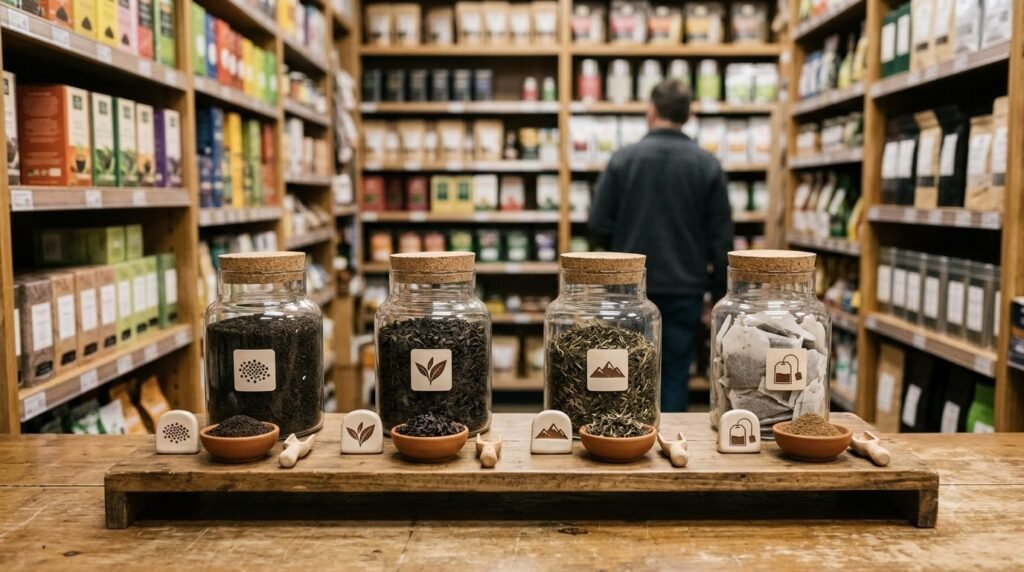
The best tea for masala chai depends on how you like your cup. For a strong, everyday milk chai, Assam CTC tea is usually the best starting choice because it gives a bold color and strong taste that remains noticeable after adding milk, sugar and spices.
If you prefer more aroma and a smoother tea flavor, orthodox Assam tea can be a better option. For a lighter, fragrant chai with less milk and fewer spices, Darjeeling black tea creates a different experience. Tea bags are also useful when convenience matters, but the strength depends on the tea inside the bag.
In simple terms:
- Kadak chai with milk and ginger → Assam CTC
- Balanced aromatic chai → Orthodox Assam
- Light and fragrant chai → Darjeeling
- Quick single-cup preparation → Strong black tea bags
Quick Answer: What Is The Best Tea For Masala Chai?
For most Indian-style milk chai recipes, Assam CTC is the most practical choice.
| Tea Type | Best For | Flavor Profile | Consideration |
|---|---|---|---|
| Assam CTC | Daily kadak chai | Strong, bold and quick brewing | Can become harsh if overboiled |
| Orthodox Assam | Balanced chai | Malty, smoother and aromatic | Usually needs careful brewing |
| Darjeeling Black Tea | Light chai | Fragrant and delicate | Heavy milk can hide its flavor |
| Black Tea Bags | Convenience | Depends on blend strength | Quality varies between brands |
There is no single tea that is perfect for every chai recipe. The right choice depends on your milk ratio, spices and preferred strength.
CTC, Assam, Darjeeling and Tea Bags Are Different Categories
Many people compare these terms as if they are the same thing, but they describe different aspects of tea.
Assam and Darjeeling: Where The Tea Comes From
Assam and Darjeeling are tea-growing regions. They describe the origin of the tea.
CTC and Orthodox: How Tea Is Processed
CTC and orthodox describe tea manufacturing styles.
CTC (Crush, Tear, Curl)
The tea leaves are processed into small granules that release flavor quickly. This makes CTC popular for:
- Milk chai
- Kadak chai
- Masala chai with strong spices
Orthodox Tea
Orthodox processing keeps more leaf structure and is often associated with a smoother aroma and more layered flavor. This makes it suitable for:
- Light milk chai
- Aroma-focused tea
- Tea with fewer spices
Assam Tea vs Assam CTC: What Is The Difference?
This is one of the biggest confusion points while buying tea.
Assam is the origin. CTC is the processing style.
That means:
- Assam CTC = Assam-grown tea processed using the CTC method
- Assam Orthodox = Assam-grown tea processed using the orthodox method
Both can produce good chai. The choice depends on what you want:
| If You Want | Choose |
|---|---|
| Strong color and kadak taste | Assam CTC |
| More aroma and smoother flavor | Orthodox Assam |
| Everyday household chai | Assam CTC |
| Tea-forward lighter chai | Orthodox Assam |
Why CTC Tea Works Well For Milk-Based Chai
Masala chai usually contains:
- Milk
- Sugar
- Ginger
- Cardamom
- Cinnamon
- Cloves
- Other spices
These ingredients can easily overpower a delicate tea.
CTC tea works well because:
- Small granules release flavor quickly
- It creates strong color
- It maintains tea presence after adding milk
This is why many households prefer CTC for daily chai.
However, stronger does not always mean better. Using too much CTC or boiling it for too long can make chai:
- Bitter
- Dry
- Harsh
The goal is balance between tea, milk and spices.
When Should You Choose Orthodox Assam Tea?
Orthodox Assam is a good choice when you want the tea itself to be noticeable.
Choose it when:
- You use moderate milk
- You prefer aroma along with strength
- Your masala is lighter
- You sometimes drink tea without milk
It pairs well with:
- Cardamom
- Cinnamon
- Fennel
- Mild ginger
Orthodox does not automatically mean better. The best tea is the one that matches your preferred chai style.
Should You Use Darjeeling Tea for Masala Chai?
Yes, you can use Darjeeling tea for masala chai, but it creates a different type of cup compared with Assam CTC.
Darjeeling is known for its:
- Floral aroma
- Lighter body
- Delicate flavor profile
Because of its subtle character, heavy milk and strong spices can cover some of the qualities that make Darjeeling unique.
Choose Darjeeling when you prefer:
- Less milk
- Mild spices
- A fragrant tea experience
- A lighter chai instead of a very strong kadak cup
For Darjeeling-based chai:
- Use fewer spices
- Avoid overpowering flavors like too much clove or pepper
- Keep the milk ratio lower
Darjeeling is not usually the first choice for a traditional strong masala chai, but it can work well for people who enjoy a lighter and more aromatic cup.
Are Tea Bags Good Enough for Masala Chai?
Yes, tea bags can work well for masala chai when the tea inside provides enough strength.
A tea bag is only a format. The actual taste depends on:
- Tea type
- Blend quality
- Leaf size
- Amount of tea inside the bag
Some tea bags contain stronger black tea blends, while others are designed for lighter brews.
When Tea Bags Make Sense
Tea bags are useful for:
✅ Quick morning chai
✅ Office kitchens
✅ Travel
✅ Single-cup preparation
✅ Consistent portion control
They save time because measuring loose tea is not required.
How To Choose Better Tea Bags For Chai
Before buying tea bags, check:
- Does it mention black tea?
- Is the blend suitable for milk tea?
- Does it provide brewing instructions?
- Does it create enough color and strength?
A tea bag that becomes weak after adding milk may not be suitable for traditional masala chai.
Best Tea For Different Chai Styles
The “best” tea changes depending on how you prepare chai. Tea and spices should work together. Adding more spices does not always create a better chai.
| Chai Style | Recommended Tea | Why |
|---|---|---|
| Kadak milk chai | Assam CTC | Strong body and bold color |
| Ginger chai | Assam CTC | Stands up against strong flavors |
| Cardamom chai | CTC or Orthodox Assam | Depends on whether you want strength or aroma |
| Cinnamon and clove chai | Strong Assam blend | Handles warm spices; avoid too many strong spices together |
| Light aromatic chai | Darjeeling | Delicate fragrance; use fewer spices and less milk |
| Less milk chai | Orthodox Assam or Darjeeling | Tea flavor remains noticeable |
| Office/travel chai | Strong tea bags | Easy preparation |
How To Choose The Best Tea For Masala Chai At The Store
Choosing tea only by packaging can lead to the wrong purchase. Use these steps instead.
1. Decide Your Chai Strength
First decide what type of cup you usually make.
If you like kadak chai, choose Assam CTC or strong black tea blends. These work well with more milk, ginger and strong spices.
If you like balanced chai, choose orthodox Assam. It provides tea aroma, smooth flavor and moderate strength.
If you like light chai, choose Darjeeling or delicate black tea blends, and use less milk and fewer spices.
2. Check Tea Type and Processing
Look for clear labels like:
- Assam CTC
- Assam Orthodox
- Darjeeling Black Tea
- Black Tea Blend
Avoid choosing only based on words like:
- Premium
- Special
- Finest
These descriptions do not always explain how the tea will perform in your chai.
3. Check Ingredients
For a plain tea base, the ingredient list should clearly mention black tea.
Be careful with products that are already mixed with:
- Added sugar
- Instant chai powder
- Artificial flavors
These products can be convenient, but they give you less control over spice level, sweetness and milk ratio.
4. Choose The Right Pack Size
If you are trying a new tea, start with a smaller pack. This helps you check:
- Strength
- Aroma
- Compatibility with your chai recipe
Buying a large pack before testing can be wasteful if the flavor does not match your preference.
5. Check Packaging and Storage
Before buying:
✅ Check that the package is sealed properly
✅ Look for freshness or best-by information
✅ Avoid damaged packaging
After opening:
- Keep tea in an airtight container
- Store it away from moisture
- Keep it away from strong kitchen smells
Tea can absorb outside aromas, which may affect the final cup.
How To Test A New Tea Before Buying A Large Pack
The best tea for masala chai is partly based on personal preference. A tea that works perfectly for one household may taste different in another because everyone uses different:
- Milk quantity
- Spice combinations
- Sugar levels
- Brewing time
Instead of judging tea only by packaging or price, test it using your regular chai recipe.
Simple Tea Testing Method
When comparing two teas, keep everything the same:
- Same water quantity
- Same milk quantity
- Same spices
- Same sugar amount
- Same cooking time
Change only the tea. This helps you understand the actual difference between the teas.
Compare These Things
1. Strength
Does the tea remain noticeable after adding milk? A good masala chai base should not disappear behind milk and spices.
2. Aroma
Check whether the tea adds freshness, warm fragrance or a pleasant tea note.
3. Bitterness
A strong tea should not automatically mean a bitter cup. If the chai tastes harsh, reduce brewing time, reduce tea quantity, or adjust spice level.
4. Balance With Spices
The best tea should support your masala, not compete with it. A strong ginger chai needs a stronger tea base, while a light cardamom chai can work well with a more aromatic tea.
Common Tea Buying and Brewing Mistakes
Choosing Tea Only By Price
A higher price does not always mean the tea will make better masala chai. The right tea depends on your recipe, your milk ratio and your preferred strength.
Thinking Whole Leaf Tea Is Always Better
Whole leaf tea can provide aroma and complexity, but smaller CTC granules can be more practical for strong milk chai. The better choice depends on the type of chai you make.
Using Too Much Tea To Make Chai Stronger
More tea does not always create a better cup. Too much tea can make chai bitter, dry or harsh. Instead, adjust tea quantity, brewing time and milk ratio.
Boiling Tea For Too Long
Long boiling may increase color but can also create a rough taste. A balanced brewing time usually gives a smoother cup.
Changing Multiple Ingredients At Once
If you are testing a new tea, do not change the tea, milk, sugar and spices at the same time. Otherwise, you will not know what affected the taste.
Buying Tea For Masala Chai At Subzi Mandi
Choosing tea becomes easier when you know your chai style. Pick the tea first, then the spices that suit it, such as cardamom, ginger, cinnamon and cloves, along with other Indian grocery staples.
Subzi Mandi has New Jersey stores in Iselin, Cherry Hill, East Windsor, Hamilton Township, Parsippany and Piscataway. Check the weekly specials before you shop, and ask your nearest store about current tea brands and pack sizes.
Frequently Asked Questions
Which tea is strongest for masala chai?
Assam CTC is usually preferred for strong, kadak milk chai because it produces bold color and body that remains noticeable after adding milk and spices.
Is CTC tea better than loose leaf tea for chai?
Not always. CTC is often practical for everyday milk chai because it brews quickly and creates strength. Loose leaf orthodox tea can provide more aroma and a smoother flavor. The better option depends on your chai style.
Which tea is best for ginger chai?
Assam CTC is commonly preferred for ginger chai because it can balance the strong flavor of fresh ginger. If you prefer a smoother cup, orthodox Assam can also work.
How much tea should I use for one cup of chai?
There is no fixed amount because tea strength varies by type. A good starting point is to use a little less when trying a stronger CTC tea and increase gradually if the cup feels weak. Adjust according to your milk, water and spice ratio.
Can I mix CTC and orthodox Assam tea?
Yes. A blend can combine CTC strength with orthodox aroma. Start with a small quantity and adjust according to your taste preference.
Why does my masala chai taste bitter?
Common reasons include too much tea, very long boiling time, over-extraction, or too many strong spices. Try reducing brewing time before adding more milk or sugar.
Can I use plant-based milk for masala chai?
Yes. Different plant-based milks behave differently with heat and spices, so you may need to adjust tea strength, milk quantity and cooking method.
Final Verdict: Which Tea Should You Buy For Masala Chai?
The best tea for masala chai depends on the cup you want to make.
Choose Assam CTC if:
✅ You like kadak chai
✅ You add milk and sugar generously
✅ You use strong spices like ginger and cardamom
✅ You need a reliable everyday tea
Choose Orthodox Assam if:
✅ You want more aroma
✅ You prefer a smoother tea flavor
✅ You use moderate milk
✅ You want tea character along with masala
Choose Darjeeling if:
✅ You enjoy lighter chai
✅ You prefer fragrance over strength
✅ You use fewer spices and less milk
Choose Tea Bags if:
✅ You need quick preparation
✅ You make single cups
✅ Convenience matters more than traditional brewing
For most households making regular Indian masala chai, Assam CTC is the safest starting choice. If you want to explore more aroma and a smoother profile, try orthodox Assam. For a lighter tea experience, Darjeeling offers a different style of chai.
The best way to find your perfect chai is to match the tea with your actual recipe, test small quantities and choose the one that gives the right balance of strength, aroma and smoothness.
At Subzi Mandi, you can pair your preferred tea with traditional chai essentials like cardamom, ginger and cinnamon to create your ideal masala chai at home.